Exploring The Deep Symbolism Behind orthodox icon In Eastern Church Heritage
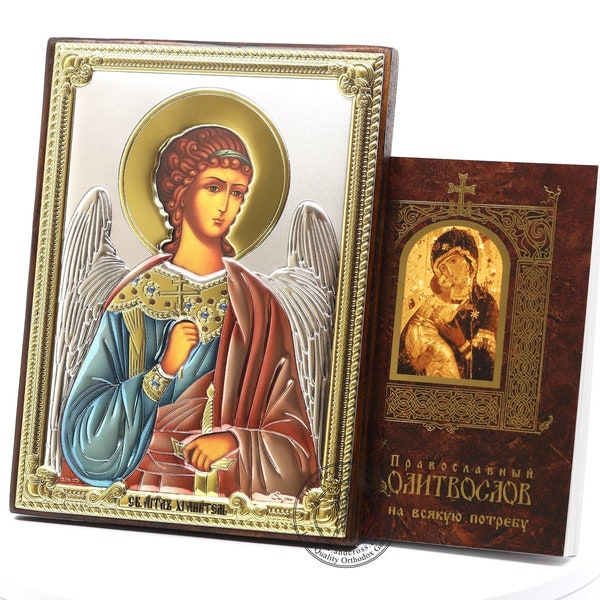
The world of sacred art has always held a profound place within human culture, serving as a bridge between the visible and the invisible. Among the most revered forms of spiritual expression stands the orthodox icon, a unique and deeply symbolic representation of faith that transcends ordinary artistic boundaries. Rooted in centuries of tradition, this form of religious imagery is far more than decoration. It is a theological statement, a visual prayer, and a sacred presence within the life of believers.
From its earliest development, the orthodox icon has been shaped by a strong commitment to preserving spiritual authenticity. Unlike conventional art, which often emphasizes personal creativity or emotional interpretation, iconography follows strict canonical guidelines. These guidelines are not meant to limit artistic expression but to ensure that each image remains faithful to the teachings and spiritual truths it represents. Every color, gesture, and composition carries meaning, forming a visual language that communicates profound theological ideas without the need for words.
The origins of the orthodox icon can be traced back to the early Christian communities, where images were used to teach and inspire believers. In a time when literacy was limited, icons served as powerful tools for conveying biblical stories and the lives of saints. Over time, this tradition evolved into a highly disciplined art form, especially within Eastern Christianity. The process of creating an icon became a sacred act in itself, often accompanied by prayer, fasting, and spiritual preparation. The iconographer is not merely an artist but a servant of divine truth, seeking to reflect heavenly realities through earthly materials.
One of the most distinctive features of orthodox iconography is its unique visual style. Figures are often depicted with elongated proportions, serene expressions, and a sense of stillness that conveys spiritual depth. The absence of naturalistic perspective is intentional, drawing the viewer into a different dimension where time and space are transformed. Light plays a crucial role, symbolizing the presence of divine grace. Gold backgrounds, for example, are not used for decoration but to represent the eternal and uncreated light of God.
The significance of the icon extends beyond its aesthetic qualities. In the life of the faithful, it functions as a means of encounter. Standing before an icon is not simply an act of observation but an invitation to communion. The believer gazes upon the image, and in doing so, enters into a relationship with the holy figure depicted. This interaction is deeply personal and spiritual, fostering a sense of connection that goes beyond physical presence. The icon becomes a window through which the divine can be experienced.
The role of icons in worship is equally profound. They are an integral part of liturgical life, adorning churches and homes alike. In sacred spaces, icons are arranged according to specific traditions, creating an environment that reflects the order and harmony of the heavenly kingdom. During services, they are venerated with gestures of reverence, such as bowing or kissing, which express love and respect rather than worship of the material object. This distinction is essential, as the honor given to the icon is directed toward the person it represents.
Throughout history, the use of icons has not been without controversy. There have been periods when their legitimacy was questioned, leading to intense theological debates. These discussions ultimately affirmed the importance of icons as a means of expressing the incarnation, the belief that the divine became visible in human form. By depicting Christ and the saints, icons proclaim that the invisible God has made Himself known, making the spiritual accessible to human understanding.
In contemporary times, the tradition of iconography continues to thrive, attracting both practitioners and admirers from around the world. Modern iconographers remain faithful to ancient methods, using natural pigments, wood panels, and time-honored techniques. At the same time, there is a growing appreciation for icons beyond strictly religious contexts. Many people are drawn to their beauty, symbolism, and sense of tranquility, finding in them a source of inspiration and reflection.
The enduring appeal of the orthodox icon lies in its ability to speak to the deepest aspects of the human soul. It invites contemplation, encourages humility, and offers a glimpse of a reality that transcends the ordinary. In a fast-paced and often fragmented world, the quiet presence of an icon provides a moment of stillness and connection. It reminds us of the enduring power of faith and the possibility of encountering something greater than ourselves.
Ultimately, the icon is not just an object but a living tradition, a testament to the enduring relationship between art and spirituality. It stands as a witness to centuries of devotion, preserving a heritage that continues to inspire and transform. Through its rich symbolism and sacred purpose, the icon remains a powerful expression of belief, offering a timeless path toward understanding the divine.